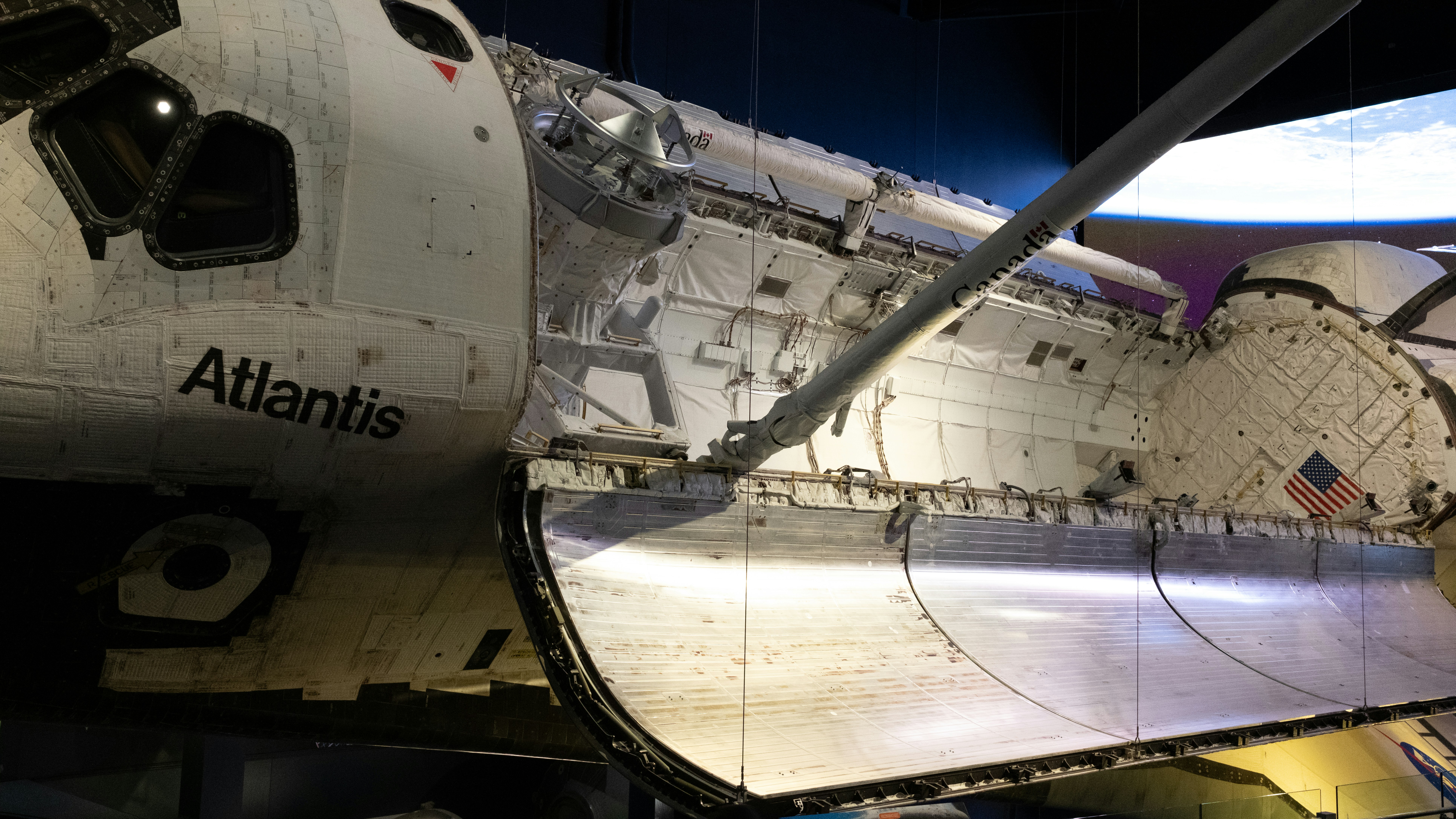
On January 17, 2026, NASA rolled the Artemis II rocket and Orion capsule out to Launch Pad 39B at Kennedy Space Center. It’s one of those quiet-looking moments that actually carries a lot of weight: the hardware is now in position for the final stretch of testing before people climb aboard.
Artemis II is planned as a 10-day mission that will take four astronauts around the Moon and back, without a lunar landing. The point is to prove the life support systems, the spacecraft’s performance, and the ground team’s readiness so later missions can safely aim for the surface.
The crew named for the flight includes Reid Wiseman, Victor Glover, Christina Hammock Koch, and Canadian Space Agency astronaut Jeremy Hansen. If the schedule holds, NASA said the mission could launch as early as February 6, 2026, with additional windows available later.
It’s a positive milestone because it turns years of engineering and lessons learned into something you can actually point to: a full Moon rocket at the pad, being wired up and tested for a flight that will push human spaceflight farther than low Earth orbit again.