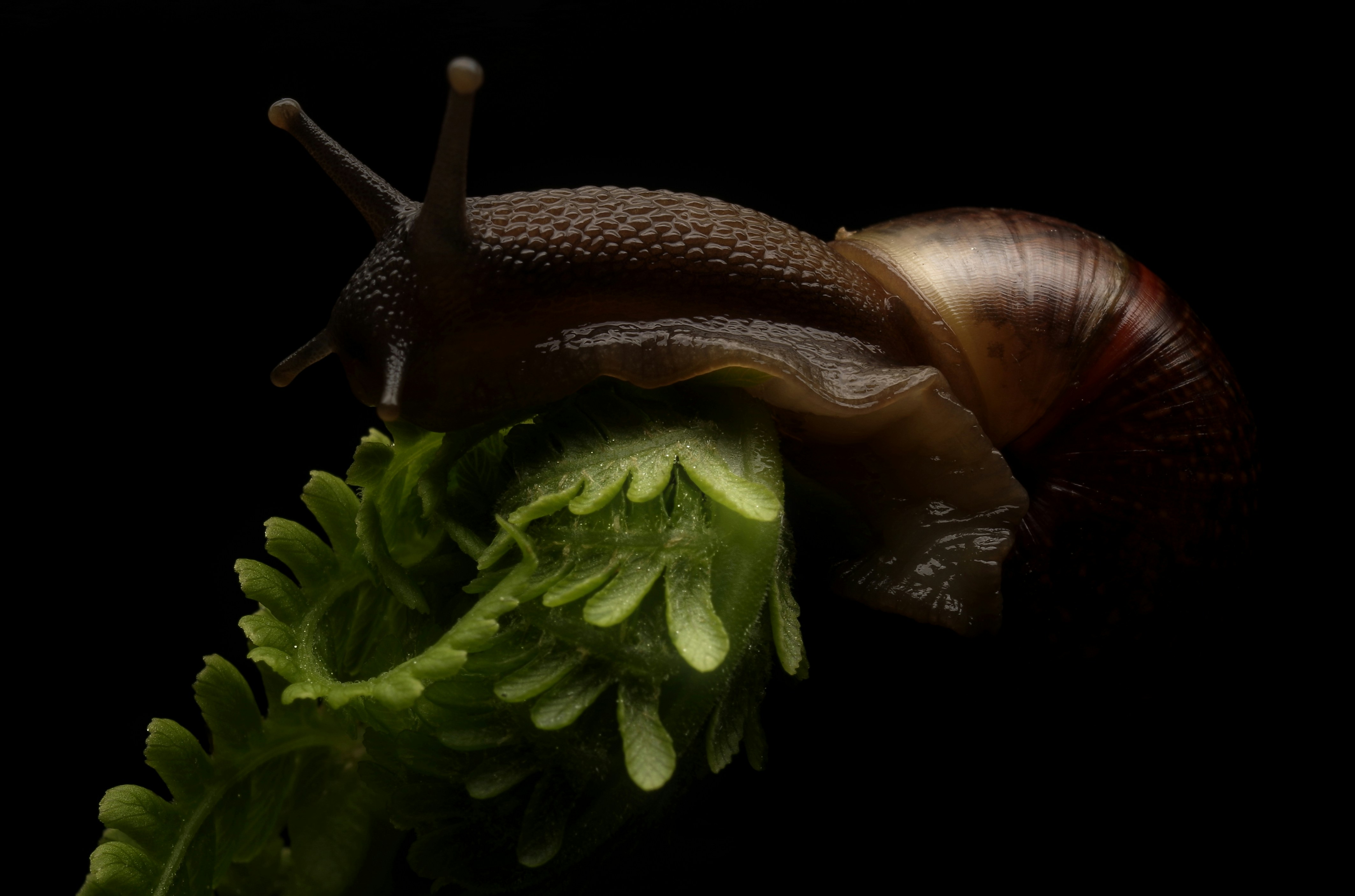
A button-sized snail that was once written off as lost has made a real comeback in Bermuda. The greater Bermuda snail, a species found only on the islands, is now thriving again after conservationists bred and released more than 100,000 snails into protected places where they can survive.
The story starts with a surprise. After being known mainly from the fossil record and feared extinct, a small remnant population was found in 2014 in a damp, overgrown alleyway in Hamilton, Bermuda’s capital. That discovery gave conservation teams a second chance to try something patient and practical instead of simply recording another extinction.
Since then, the effort has been shared work across borders. Chester Zoo helped breed thousands of snails in specially designed pods, and from 2019 onward, generations of captive-bred snails were returned to Bermuda and placed into wooded habitats with biosecurity protections aimed at keeping out invasive predators.
Why does this matter beyond one small species. Snails are part of the basic machinery of ecosystems. They help break down vegetation and recycle nutrients, and they also feed other animals. Bringing them back is not just about saving a single creature, it is about repairing a thread in the wider web of life.
It is easy to feel powerless about biodiversity loss. This is one of those rare, verifiable moments when steady, unglamorous conservation work adds up to a clear win.