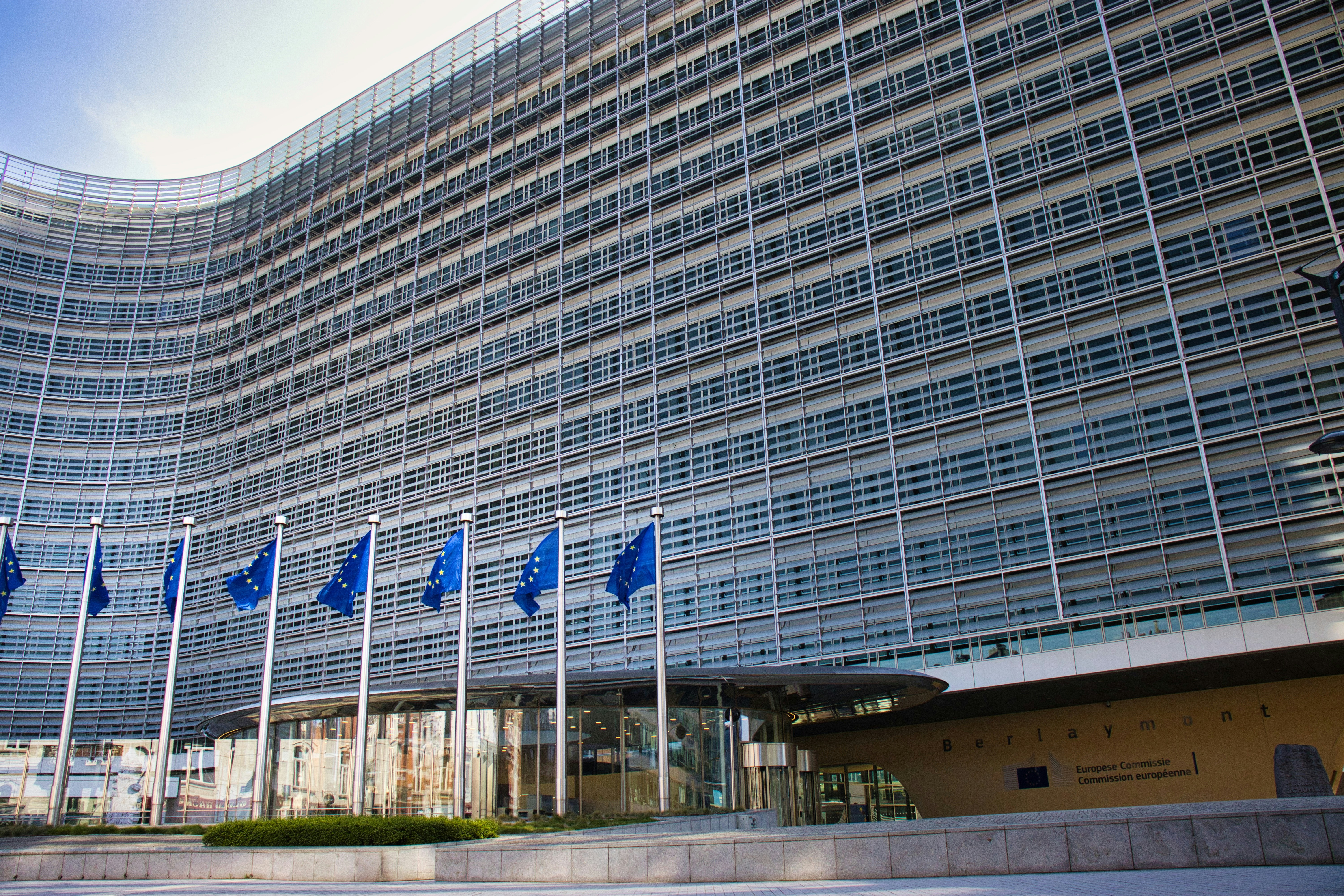
In a week when so many headlines feel heavy, one clear piece of good news landed on January 21, 2026. The European Commission announced an initial €1.9 billion humanitarian aid budget for 2026, money intended to support life-saving help like emergency food and shelter, healthcare, protection for vulnerable people, and support for children’s education in crisis zones.
The announcement matters because it’s not just a number on a spreadsheet. It’s the kind of funding that keeps clinics supplied, helps families get through sudden displacement, and supports aid groups trying to reach people when roads are broken, budgets are tight, and needs are rising.
The Commission’s plan breaks down funding across regions, including major allocations for Sub-Saharan Africa and the Middle East, plus support for Ukraine and neighboring Moldova, and funding for Asia, Latin America, the Caribbean, and North Africa. It also sets aside more than €415 million for sudden-onset emergencies and maintaining a strategic supply chain, the practical backbone of getting relief where it needs to go.
There’s also a forward-looking piece here. The Commission said its humanitarian commissioner would use meetings in Davos to push for more private-sector support and innovation that can complement public funding. In plain terms, they’re trying to widen the circle of who helps pay for the work, so that aid doesn’t shrink when the world gets harder.
Humanitarian aid doesn’t solve every problem, and it can’t replace peace or good governance. But it does keep people alive and gives communities a chance to breathe, rebuild, and keep children learning even in the middle of upheaval. This commitment is one of those steps that quietly changes what’s possible on the ground.