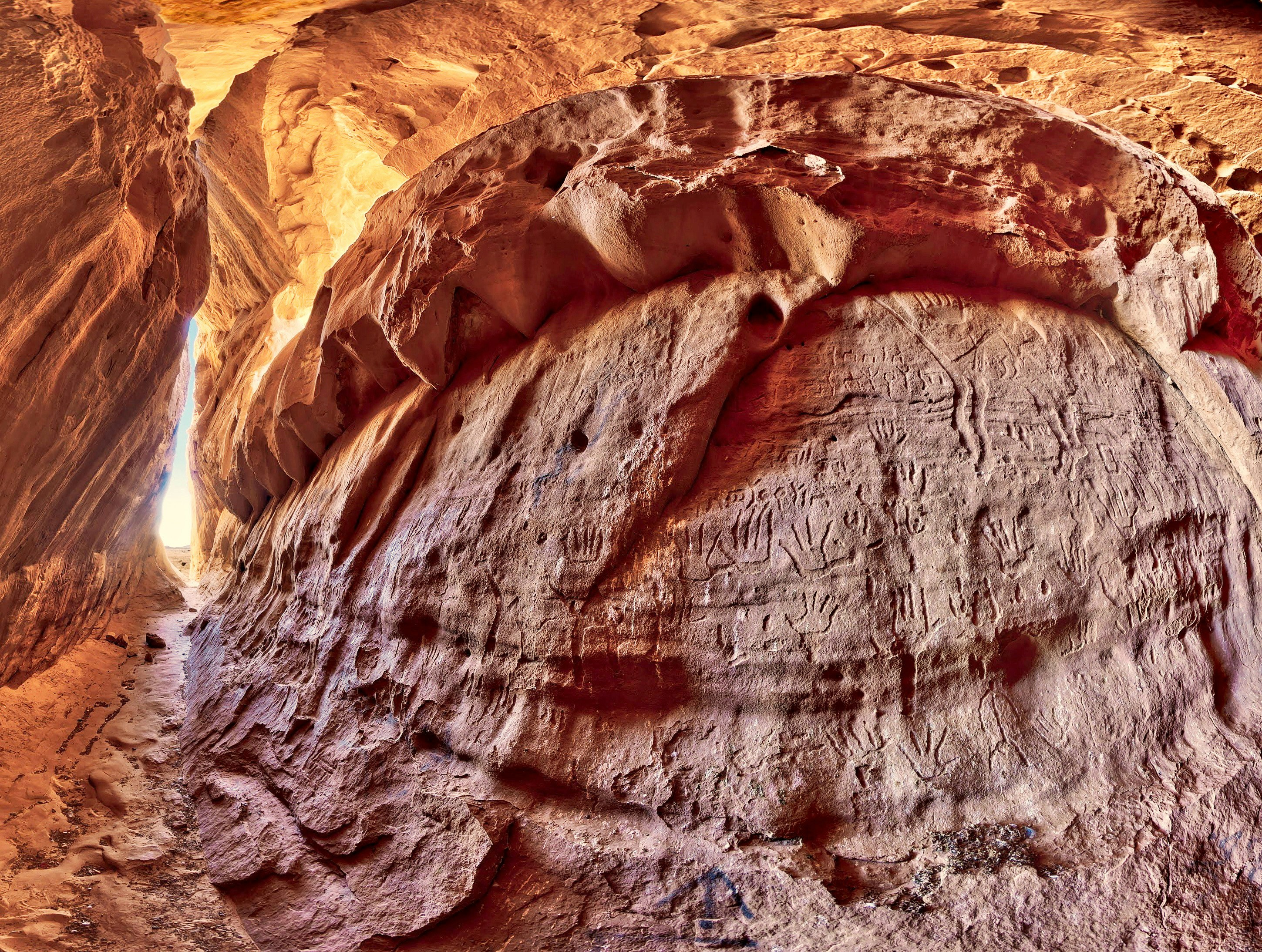
In northern Saudi Arabia, scientists exploring dry caves near the city of Arar have uncovered something almost never seen in the wild: mummified remains of cheetahs. The team found seven mummies along with the bones of 54 other cheetahs, with remains dating from about 130 years old to more than 1,800 years old.
Big mammals rarely preserve this well. Researchers say the caves’ steady temperatures and dry conditions may have helped protect the bodies long enough for natural mummification to occur. Even then, it takes luck for carcasses to avoid scavengers and decay.
Beyond how striking the discovery looks, what matters is what it can teach us. Cheetahs once ranged widely across Africa and parts of Asia, but they have vanished from much of that territory. The study described in the AP report notes that cheetahs have not been spotted across the Arabian Peninsula for decades, a loss tied to pressures like habitat changes, hunting, and dwindling prey.
One hopeful detail came from the genetics work. Scientists were able to analyze DNA from the remains and found the ancient cheetahs were most similar to modern cheetahs from Asia and northwest Africa. That kind of information can guide conservation planning, including decisions about where and how reintroduction efforts might succeed in the future.
It is a reminder that conservation is not only about protecting what is still here. Sometimes it is also about recovering the story of what used to be, so communities and scientists can make smarter choices about what could return.