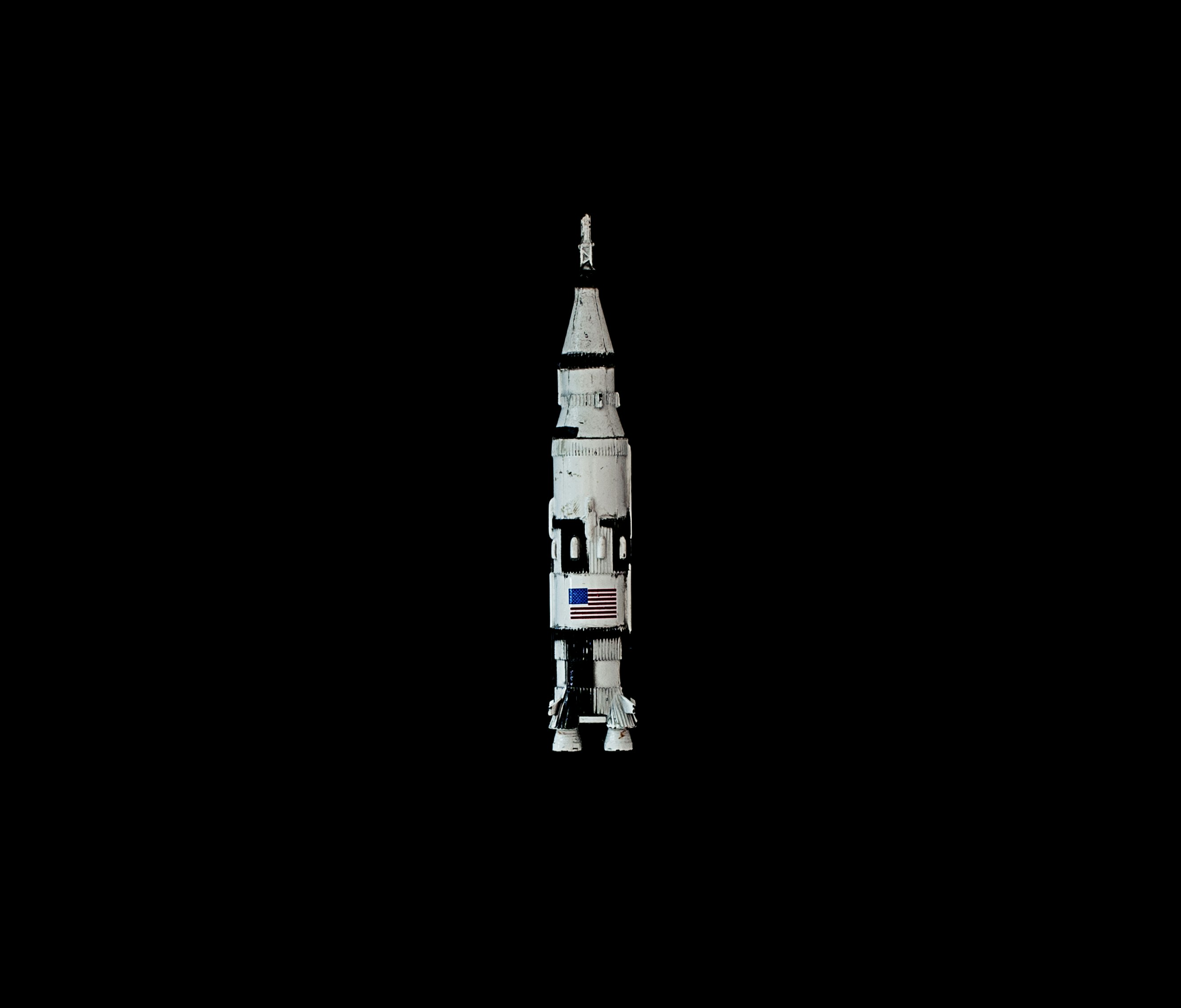
Before a rocket can fly, it has to leave the place it was built. This week, NASA did exactly that for Artemis 2, slowly carrying the giant Space Launch System rocket and its Orion crew capsule from the Vehicle Assembly Building to Launch Pad 39B at Kennedy Space Center in Florida.
It’s a plain-looking move, but it’s a big moment. Rollout marks the shift from stacking and assembly to the start of the launch campaign, when teams connect the vehicle to pad systems and run the kind of end-to-end checks you can’t fully do anywhere else.
Artemis 2 is planned as a crewed test flight around the Moon and back, with four astronauts on board. The mission is designed to prove that the rocket, spacecraft, and life-support systems can work together safely on a real deep-space trip.
Next comes more testing at the pad, including a wet dress rehearsal, where NASA loads the rocket with super-cold propellants and practices countdown operations without launching. If these tests go well, Artemis 2 moves one step closer to putting people back on the path to the Moon.