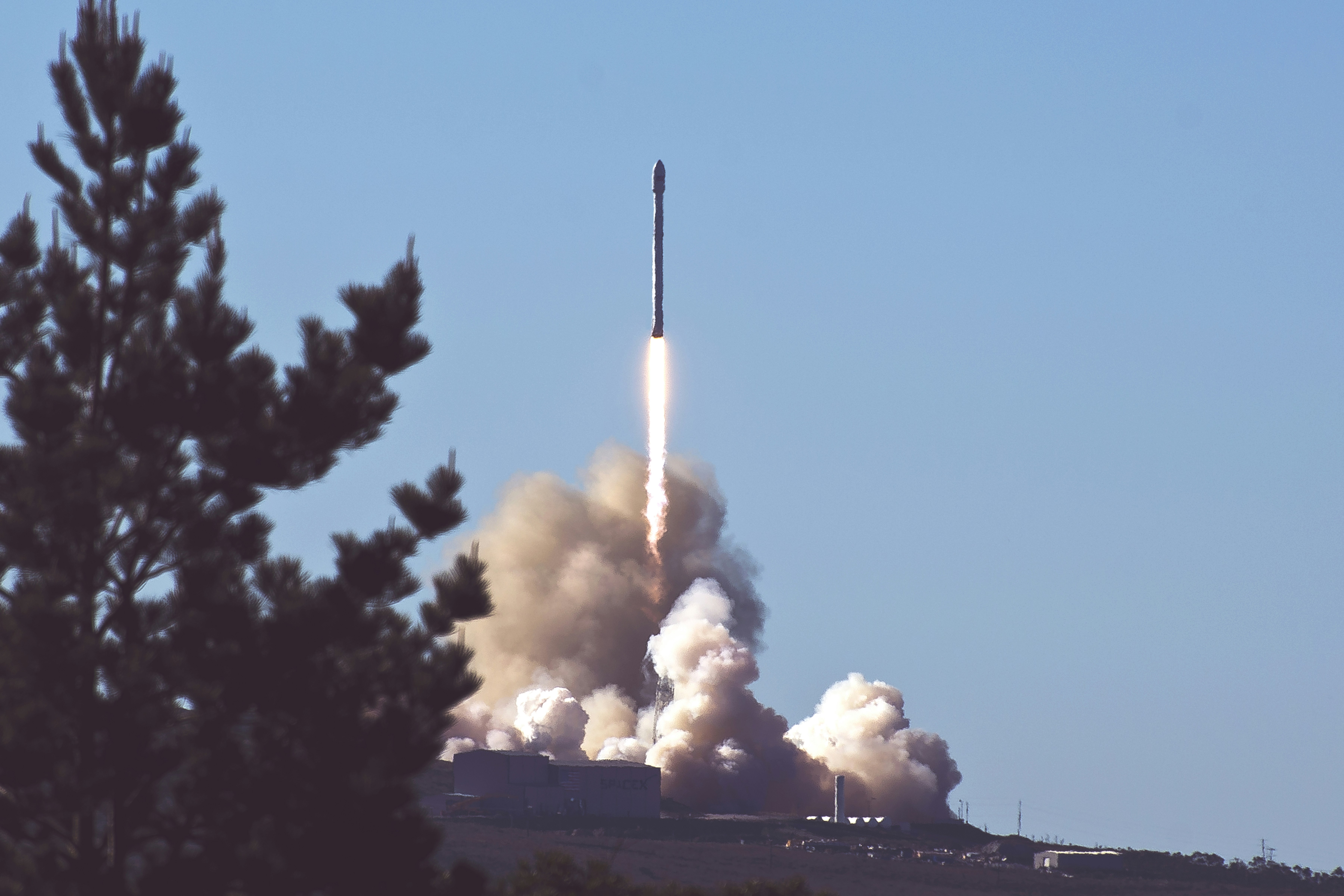
NASA’s newest small space telescope has checked in from orbit, and that simple moment matters. Mission controllers confirmed they received full acquisition of signal from Pandora after its launch on Sunday, January 11, 2026. It’s the first clear sign the spacecraft is healthy and ready for the careful work ahead.
Pandora’s job is to study exoplanets, planets that circle stars beyond our solar system. When one of these worlds passes in front of its star, some starlight filters through the planet’s atmosphere. By measuring that light, scientists can look for clues about what the atmosphere is made of, including things like hazes, clouds, and water.
But there’s a catch. Stars are messy. Dark spots and bright regions on a star can make the light change in ways that can confuse the planet signal. Pandora is designed to help untangle that problem by watching in visible light while also collecting near-infrared data at the same time. That two-lens view should make exoplanet “fingerprints” clearer and help researchers pick better targets for bigger observatories.
Pandora launched on a SpaceX Falcon 9 rocket from Vandenberg Space Force Base in California, sharing the ride with two CubeSat missions, SPARCS and BlackCAT. Now Pandora begins a commissioning period before it starts its main science work, watching each target system repeatedly for long stretches so the data isn’t just a snapshot, but a steady story.
It’s a quiet kind of good news, the kind that doesn’t come with fireworks. A signal received on the first pass means years of planning, building, and testing have made it into space and are still working. From here, the mission turns from launch day excitement to patient observation, one distant transit at a time.
Source: https://www.nasa.gov/blogs/smallsatellites/2026/01/12/nasas-pandora-satellite-acquires-signal/