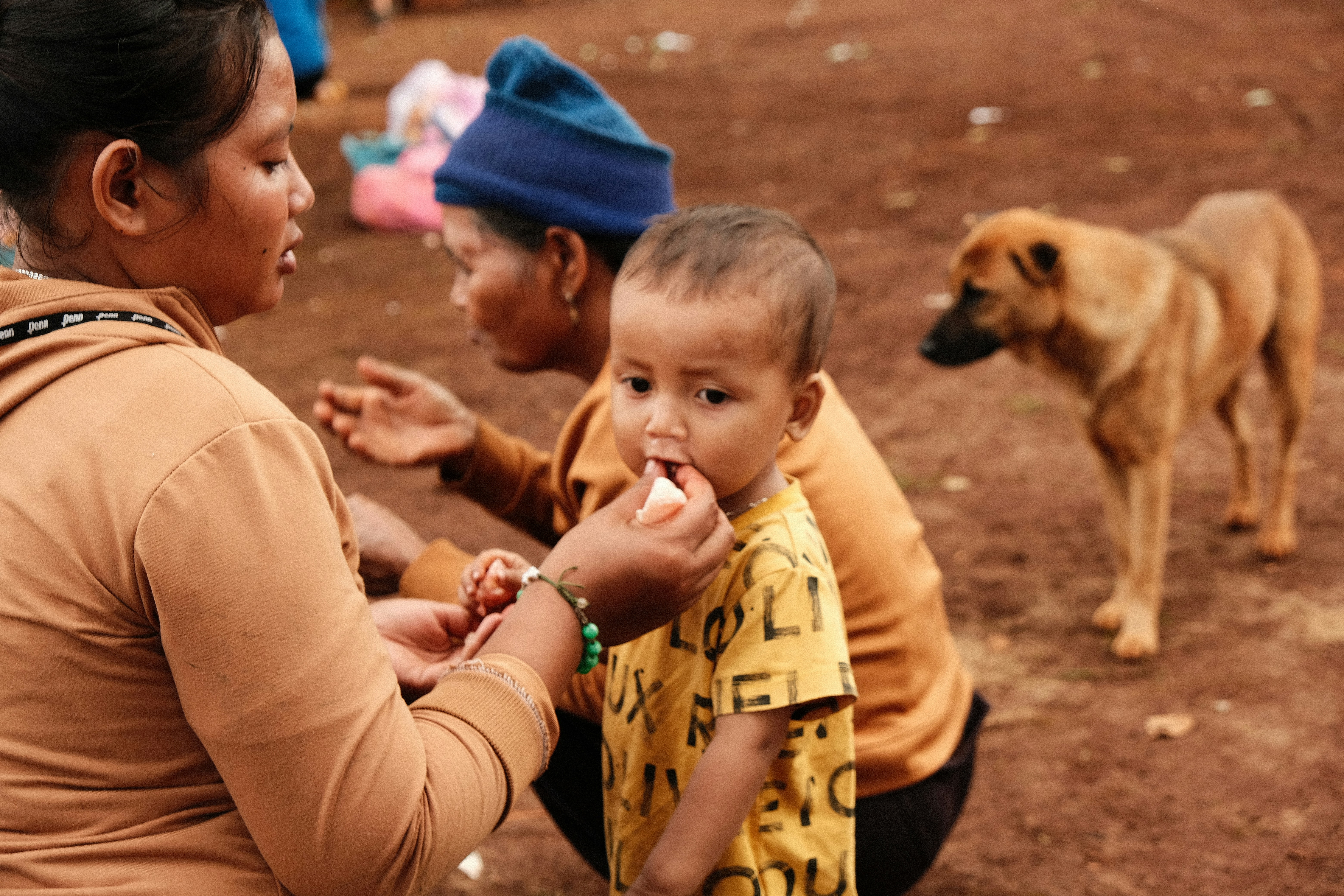
On January 22, 2026, UNICEF published a new call for support that lays out what it wants to do for children facing conflict, displacement, climate shocks, and the breakdown of basic services. It is a tough picture, but the plan itself is a hopeful one: keep showing up for kids and families, even as funding gets tighter.
UNICEF says its 2026 humanitarian appeal is for US$7.66 billion, with the goal of reaching 73 million children living through humanitarian crises. The money is meant to cover immediate needs like health care, clean water, nutrition, and protection, while also helping communities rebuild the services children rely on, like schools and clinics.
Part of what makes this announcement feel concrete is that UNICEF points to recent results as proof that large-scale help can work. In the first half of 2025, UNICEF and partners vaccinated almost 6 million children against measles, reached more than 21 million people with safe drinking water, helped nearly 7 million children access education services, and admitted close to 3 million children for treatment of severe wasting.
UNICEF also emphasizes a practical shift in how it plans for emergencies: more preparedness and anticipatory action, so help can arrive earlier instead of after conditions spiral. It’s not a single headline-grabbing fix, but it is a steady, organized effort to protect children’s lives and give families a little more breathing room when everything else is unstable.
Source: https://www.unicef.org/emergencies/launch-2026-humanitarian-appeal