
Crew 12 lifts off and heads for nine months on the space station
A new international crew launched on 13 February 2026 aboard SpaceX Dragon Freedom, beginning a nine-month mission focused on research and life in orbit.
Read Full Story
Six planets will share the evening sky in late February
A rare planetary lineup peaks on February 28, when Mercury, Venus, Jupiter, Saturn, Uranus, and Neptune appear strung along the same arc of sky after sunset.
Read Full Story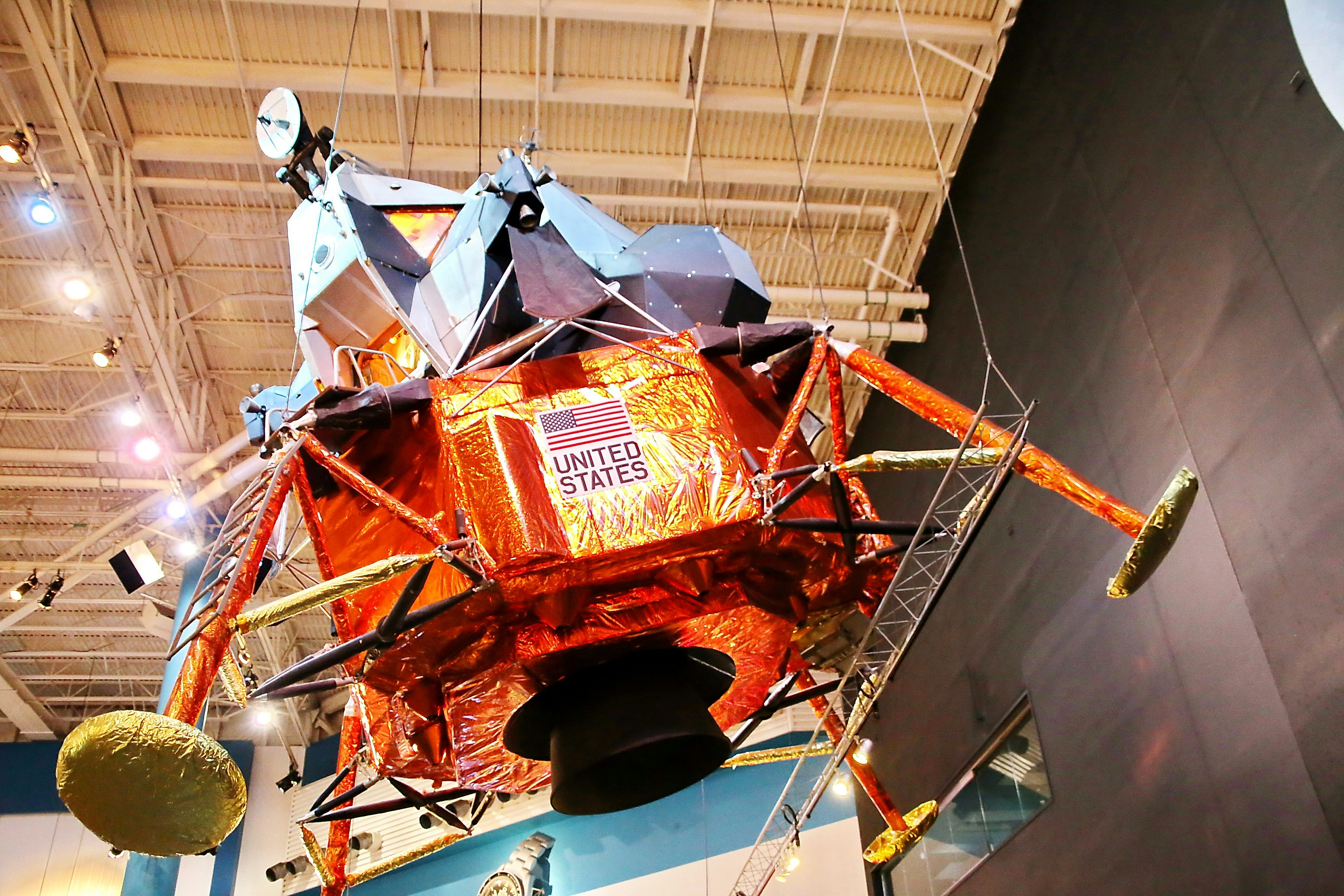
NASA moves Artemis II closer to a crewed trip around the Moon
NASA’s Artemis II program just cleared more important ground work, including a major fueling test, as the agency targets the next launch opportunities starting in early March 2026. If it flies, four astronauts will travel around the Moon and back, the first crewed mission beyond Earth orbit since 1972.
Read Full Story
Spiny dragon fossil shows dinosaur skin down to the cell
A newly described dinosaur from China, Haolong dongi, preserved its skin so well that researchers could see details at the cellular level, including strange spikes never documented in dinosaurs before.
Read Full Story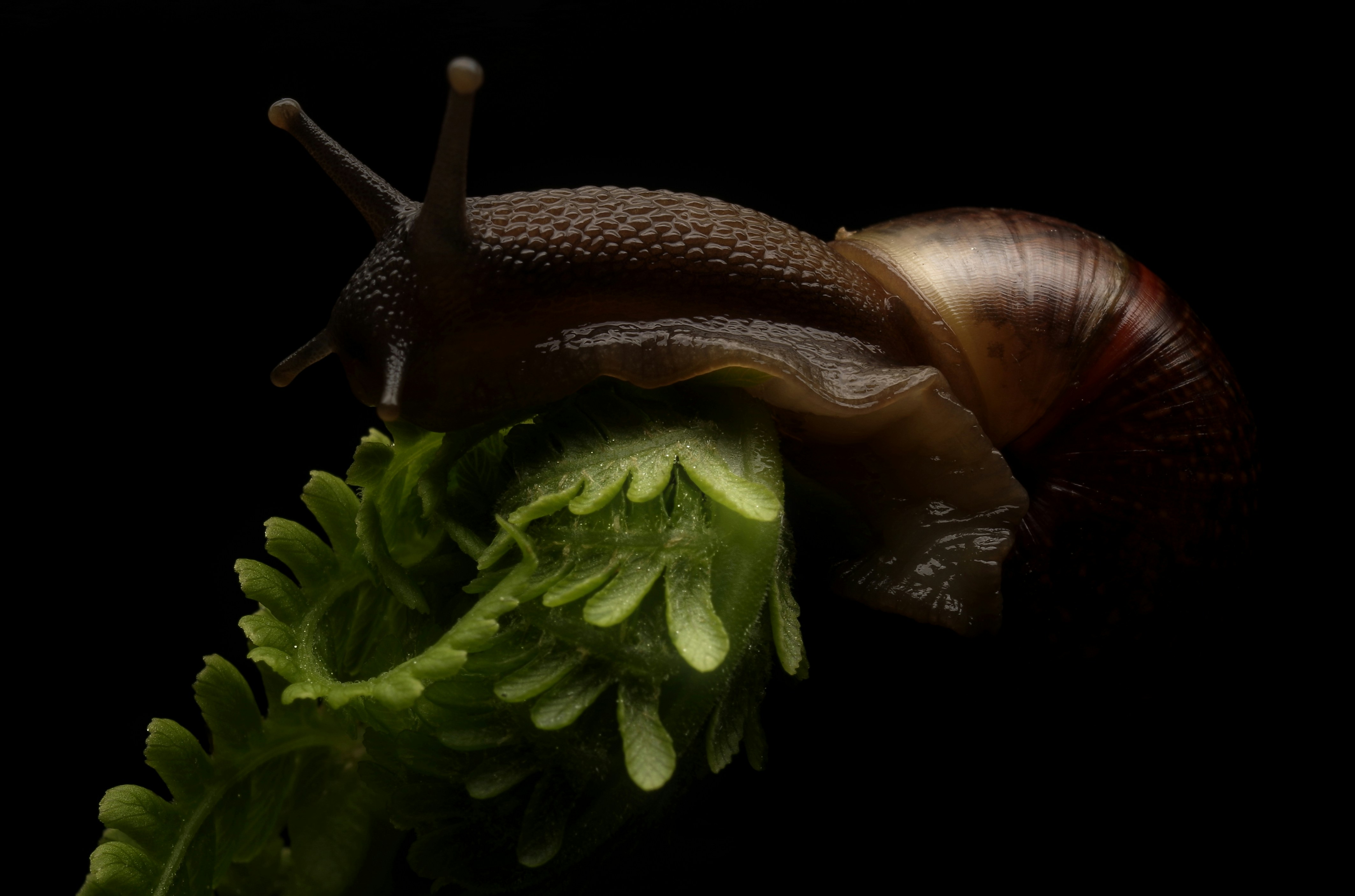
Bermuda snail returns from the edge after years of careful work
A tiny snail once believed extinct is now considered safe after conservationists bred and released more than 100,000 greater Bermuda snails back into protected habitats.
Read Full Story
A billion more people now have safer drinking water
New WHO and UNICEF monitoring data shows major progress on access to safely managed drinking water over the last decade, a shift that public health experts say has already saved millions of lives.
Read Full Story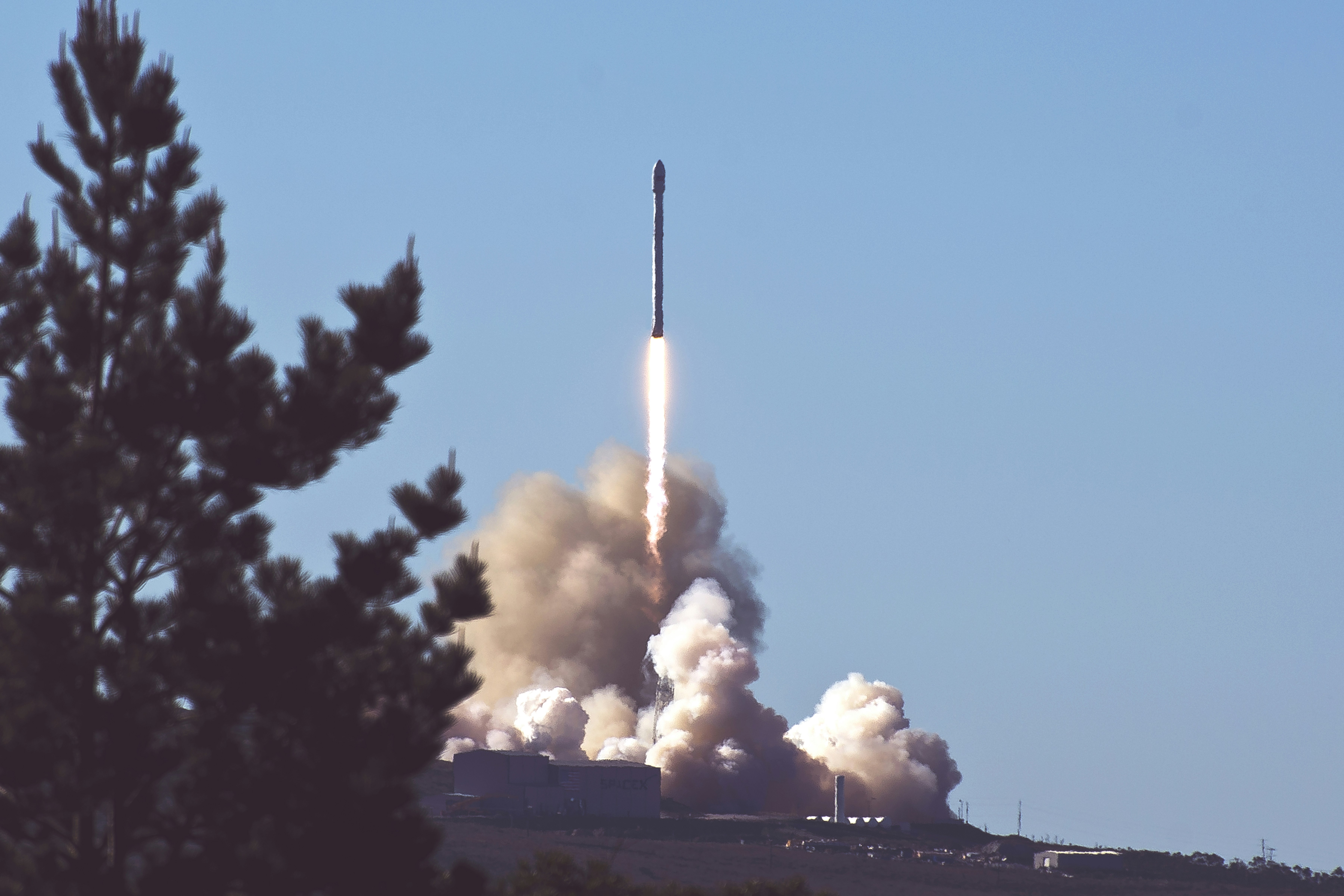
Pandora wakes up in orbit to study worlds beyond our solar system
NASA confirmed it has a full signal from the newly launched Pandora satellite, an observatory built to study the atmospheres of distant exoplanets and the stars they orbit.
Read Full Story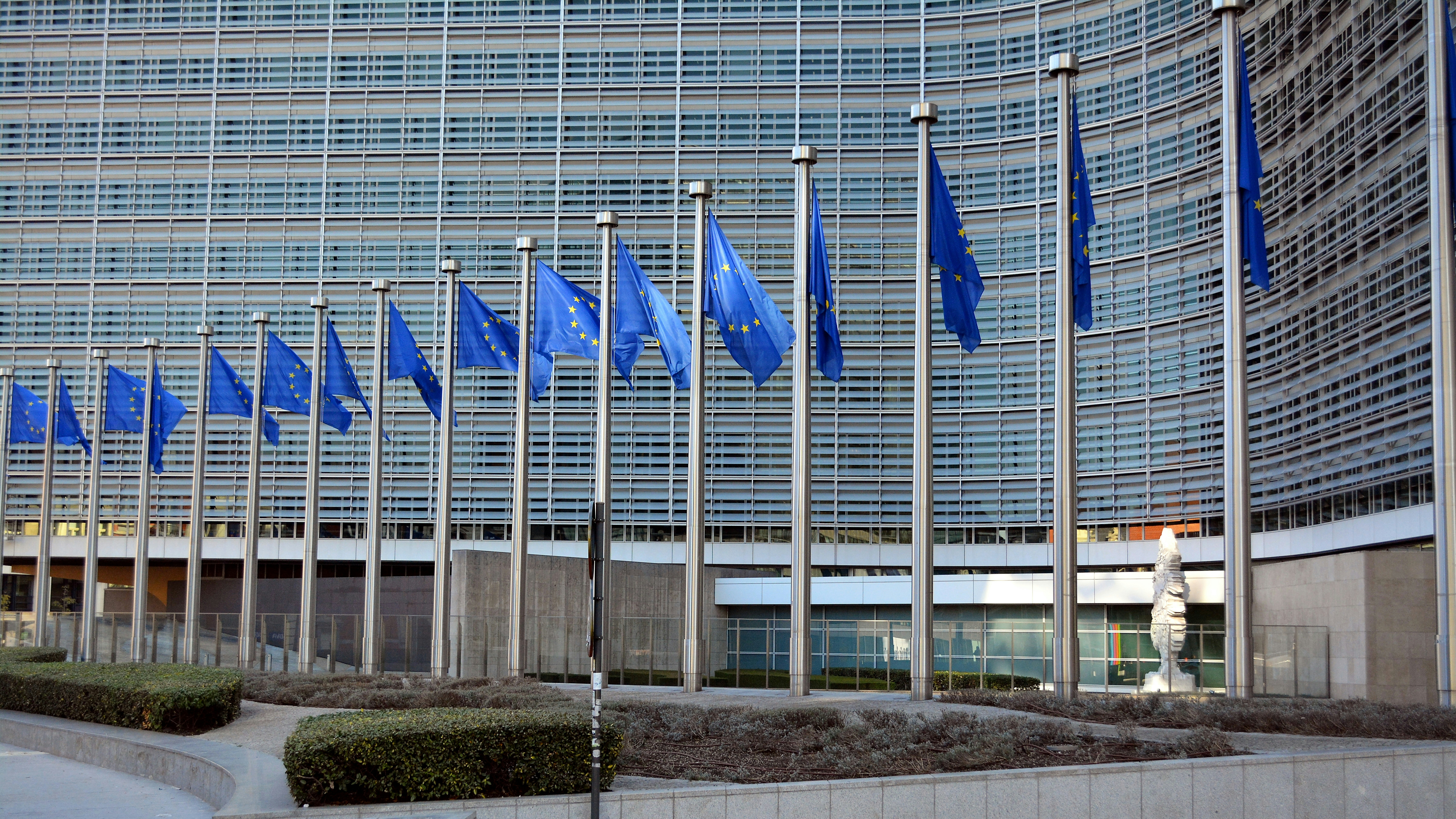
Europe turns on secure satellite communications for emergencies
European Union countries can now tap into a shared, Europe-controlled satellite communications service designed for government and security use, including moments when local networks fail during crises.
Read Full Story
NASA rehearses a crewed Moon launch as Artemis II gets closer
NASA is running a full practice countdown for Artemis II, the first mission planned to send astronauts around the Moon in more than 50 years. Even with a fueling snag, the test is part of the careful step-by-step work needed to fly people safely beyond Earth orbit again.
Read Full Story
A new satellite joins the fight to spot disasters faster
Rocket Lab successfully launched South Korea’s NEONSAT-1A Earth-imaging satellite into orbit, a step toward near real-time monitoring of floods, fires, and other natural disasters on the Korean Peninsula.
Read Full Story
Scientists open an ice vault in Antarctica to save glacier history
A new sanctuary at Concordia Station in Antarctica is now storing ice cores from melting mountain glaciers, preserving a real physical record of Earth’s atmosphere for future researchers.
Read Full Story
Fusion researchers push past a limit that used to stop tokamaks
A team working with China’s EAST “artificial sun” reports stable fusion plasma at densities well beyond a long-used limit, offering a clearer path for future reactors that aim for practical fusion power.
Read Full Story
Europe switches on secure satellite links for emergencies
European officials say the EU has started GOVSATCOM operations, a shared, secure satellite communications service meant to keep critical links working for governments and responders when normal networks fail.
Read Full Story
Singapore backs public AI research with a billion dollar plan
Singapore says it will invest more than S$1 billion in public AI research through 2030, with a focus on responsible and resource efficient systems, stronger talent pipelines, and practical adoption by industry.
Read Full Story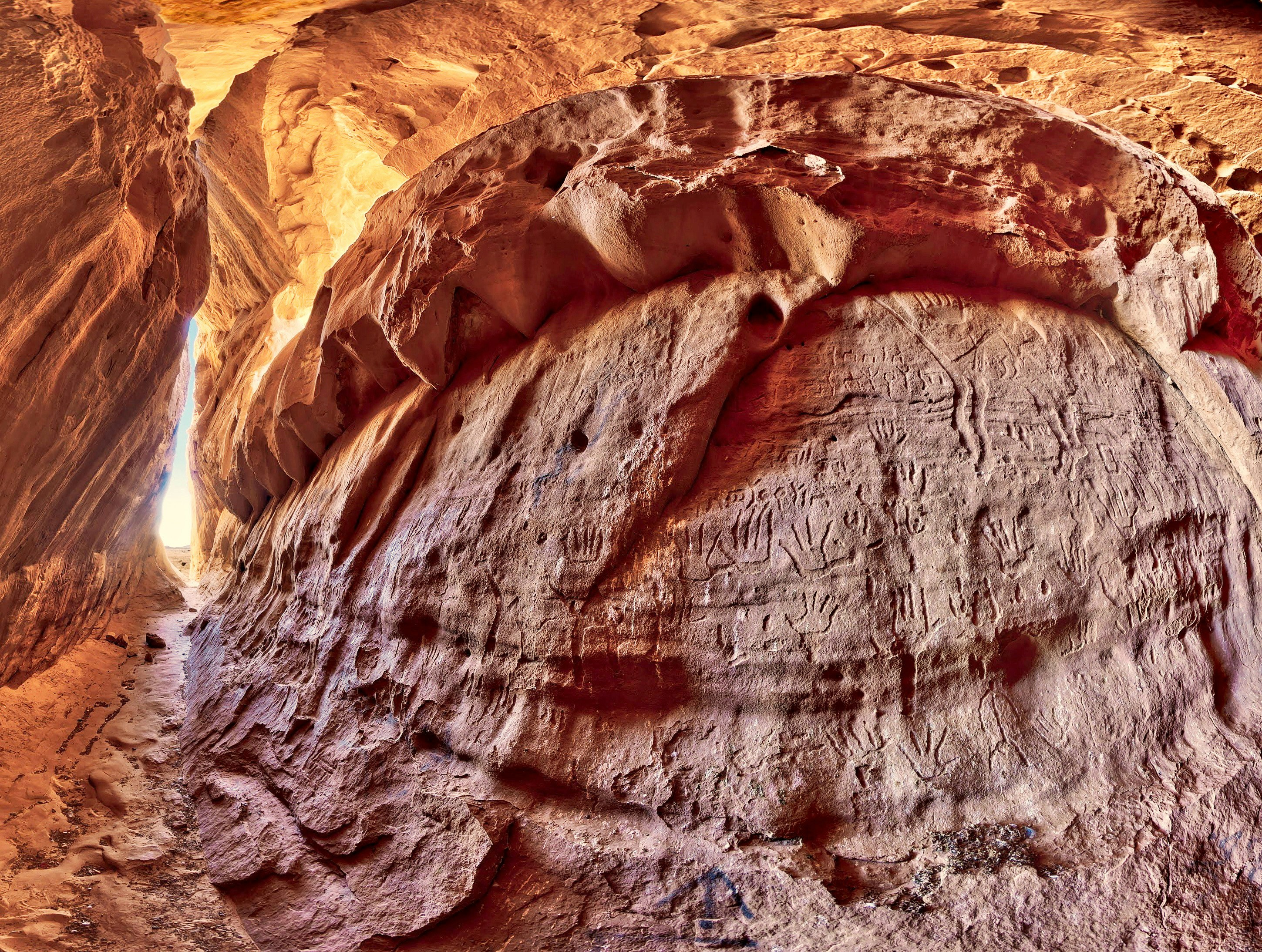
Mummified cheetahs in Saudi caves offer new clues for conservation
Scientists uncovered rare mummified cheetah remains in northern Saudi Arabia, including seven mummies and dozens of bones. The find helps researchers understand where cheetahs once lived and could support future plans to bring them back to places they have disappeared from.
Read Full Story
NASA moves the Artemis 2 moon rocket to the launch pad
NASA has rolled the Artemis 2 Space Launch System rocket and Orion spacecraft to Launch Pad 39B in Florida, a key step toward the first crewed trip into the Moon’s neighborhood in more than 50 years.
Read Full Story
Medical supplies arrive in Venezuela to support kidney care
A UN update says a 23-metric-tonne shipment of medical supplies reached Venezuela on January 20, aimed at supporting ongoing hemodialysis and nephrology care for around 8,000 patients, including more than 500 children.
Read Full Story
Ocean Cleanup group says 2025 was its biggest year yet
A nonprofit known for pulling plastic out of rivers and the Great Pacific Garbage Patch says it removed more than 25 million kilograms of trash in 2025, pushing its total past 45 million kilograms.
Read Full Story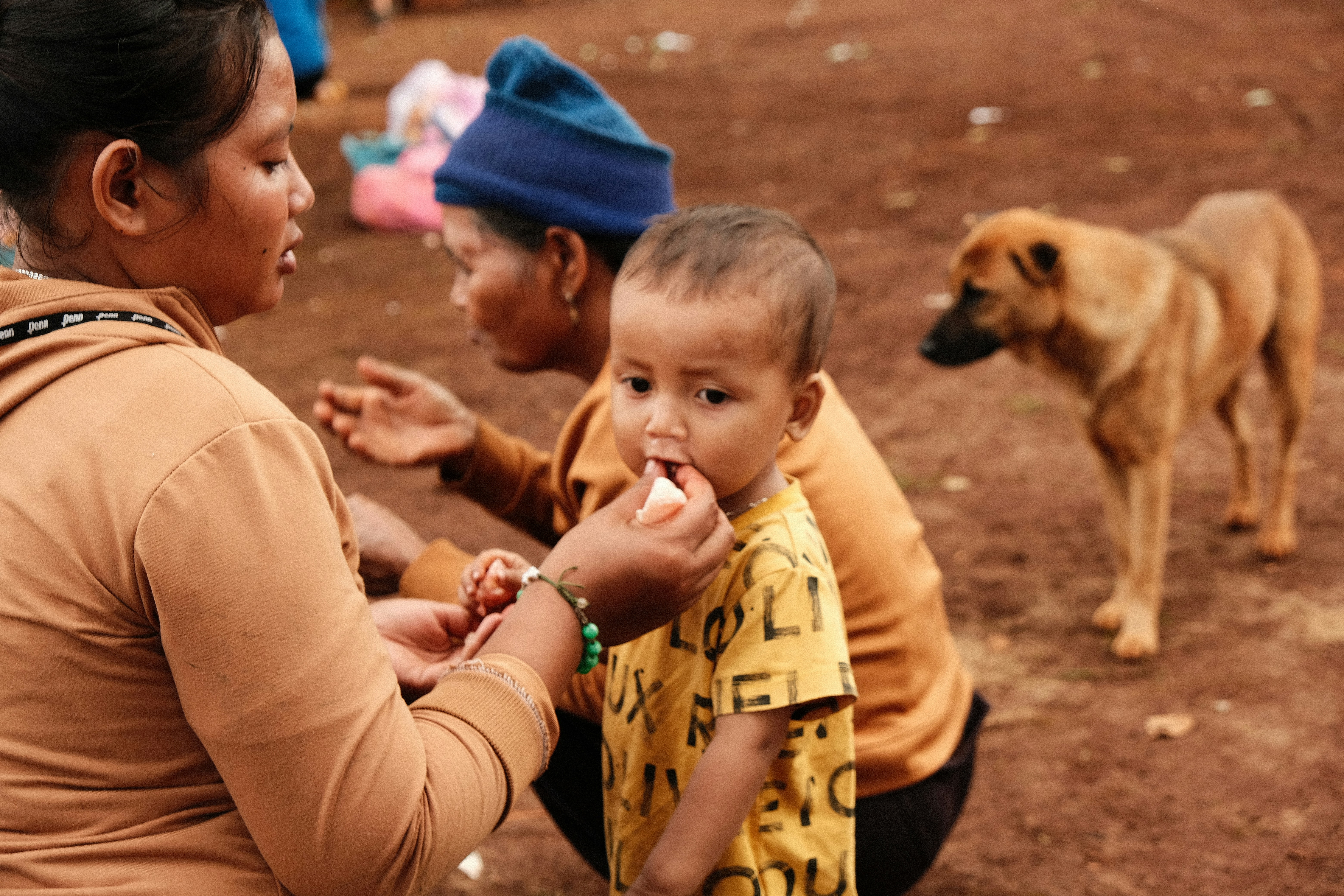
UNICEF sets out a 2026 plan to reach children in crisis
UNICEF has launched its 2026 humanitarian appeal, asking for US$7.66 billion to reach 73 million children living through emergencies with life-saving help and longer-term support.
Read Full Story
Artemis II rocket gets ready to roll toward the launch pad
NASA says the Artemis II Space Launch System rocket and Orion spacecraft were secured on their mobile launcher for a carefully planned rollout at Kennedy Space Center, a visible step toward the first crewed Artemis flight around the Moon.
Read Full Story
Rural health gets a $50 billion boost in all 50 states
CMS announced awards in every state through a five-year Rural Health Transformation Program, aiming to bring care closer to home, strengthen the rural workforce, and upgrade local health technology.
Read Full Story
NASA’s ExoMiner++ helps sift TESS starlight for hidden worlds
NASA says an updated, open-source AI tool called ExoMiner++ is now being used to dig into TESS data, helping researchers sort promising planet signals from false alarms and move faster through a mountain of starlight.
Read Full Story
China’s EAST tokamak pushes fusion plasma past a stubborn density limit
Researchers working with China’s “artificial sun” EAST report stable plasma at densities beyond a long-standing limit, backed by results published in Science Advances. It is a practical step toward better, more efficient fusion experiments.
Read Full Story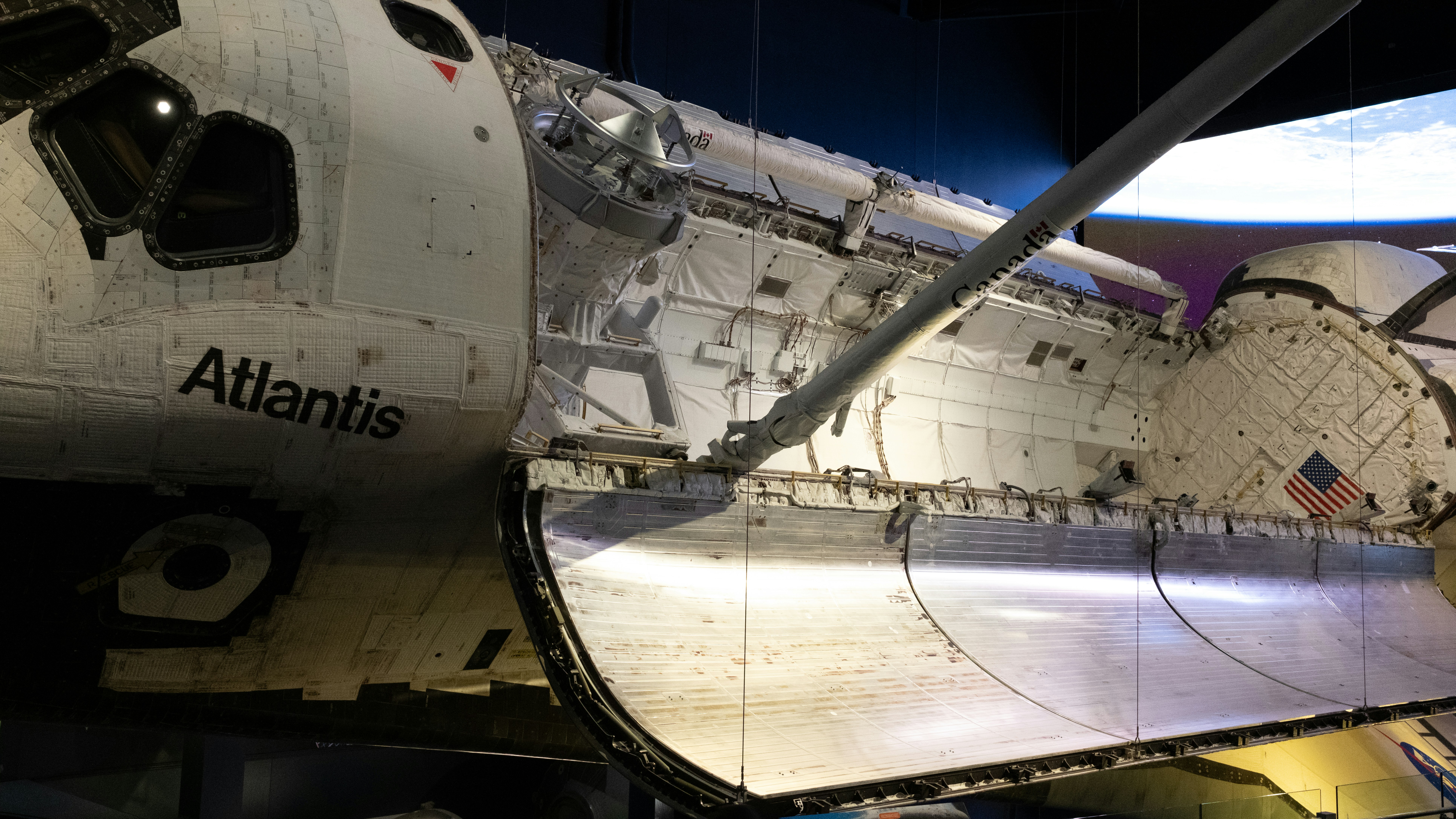
Artemis II rocket reaches the launch pad for a crewed trip around the Moon
NASA’s Artemis II Space Launch System rocket and Orion spacecraft have arrived at Launch Pad 39B in Florida, a concrete step toward sending four astronauts beyond Earth orbit for the first time in more than 50 years.
Read Full Story
UNEP report lays out a clearer path to fund nature protection
A new UNEP report released on January 22, 2026 says the world still spends far more money harming nature than protecting it, but it also lays out practical steps to shift finance toward restoration and resilience.
Read Full Story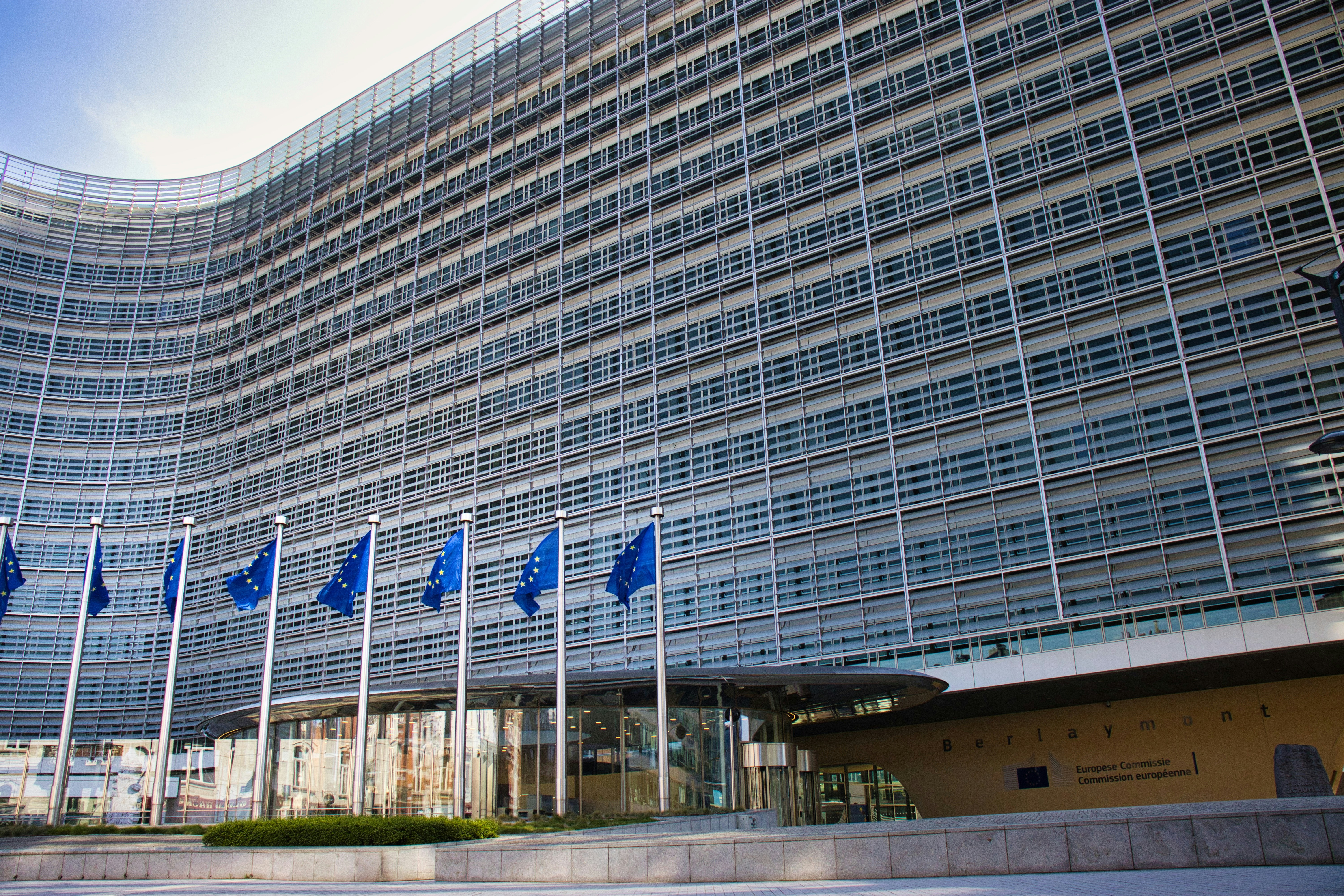
Europe commits €1.9 billion for humanitarian aid in 2026
A new European Commission budget sets aside €1.9 billion in humanitarian aid for 2026, aiming to keep food, shelter, healthcare, protection, and education support moving in crises worldwide.
Read Full Story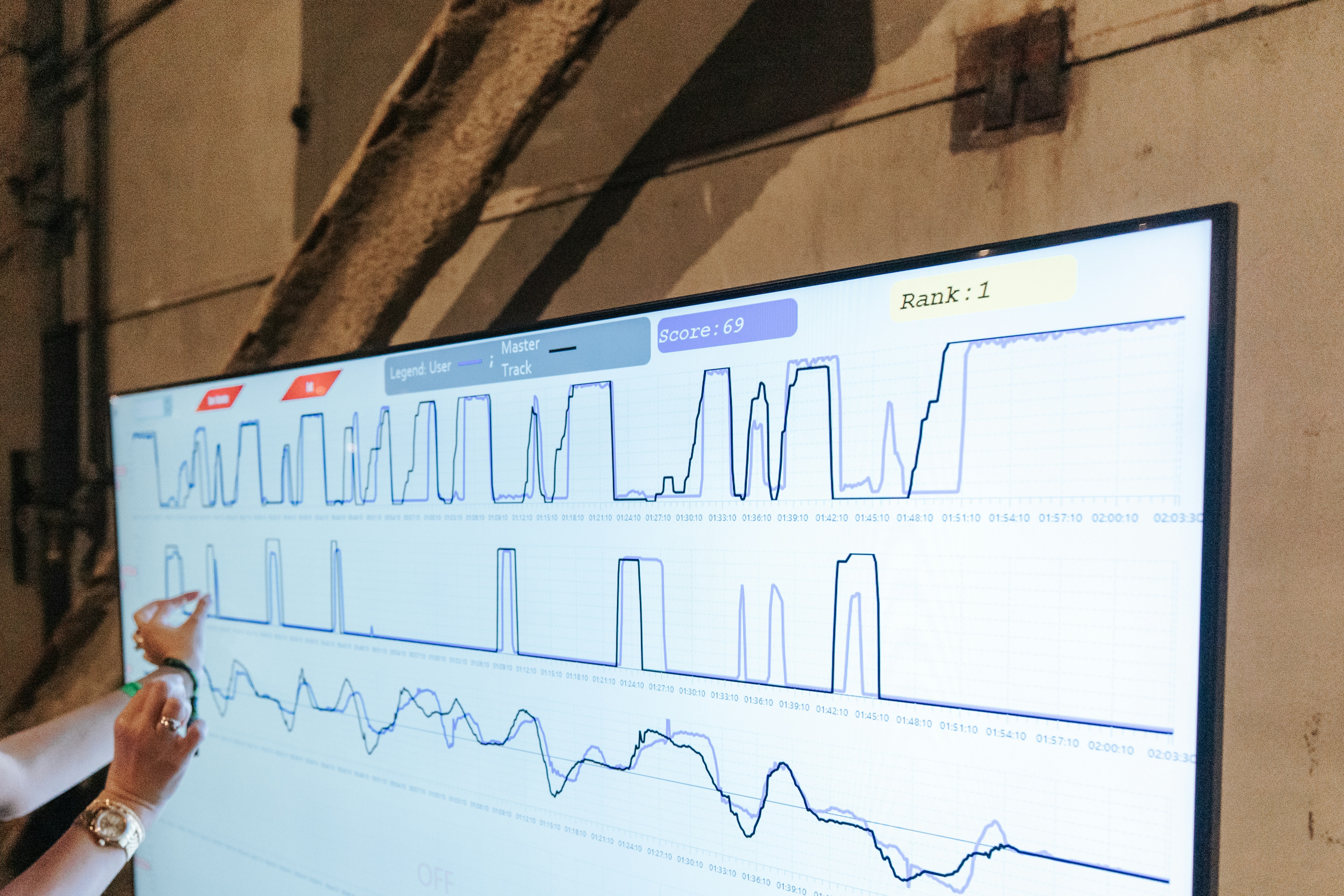
A radar sensor that spots irregular heart rhythms without touching you
Researchers reported an AI-powered, radar-based system that can detect atrial fibrillation without electrodes or wearables, a step toward earlier diagnosis during everyday life like sleep.
Read Full Story
Novo Nordisk Foundation funds 10 years of new life science and deep tech startups
A new long-term grant will help Copenhagen’s BioInnovation Institute back more early-stage teams working on human health, planetary health, and resilient technologies, with room to grow into areas like AI and quantum.
Read Full Story
Antarctica vault begins saving mountain ice cores for future climate research
Scientists have opened the Ice Memory Sanctuary at Concordia Station in Antarctica, creating a long-term home for ice cores from melting mountain glaciers so future researchers can study the atmosphere of the past.
Read Full Story
FDA approves a first treatment option for kids with rare aTTP
A newly expanded FDA approval means some children ages 12 and up with acquired thrombotic thrombocytopenic purpura can now receive Cablivi, the first therapy approved for pediatric aTTP, alongside plasma exchange and immunosuppressive treatment.
Read Full Story
FDA clears first pediatric option for a rare life threatening blood clotting disorder
A long used adult medicine for acquired thrombotic thrombocytopenic purpura is now approved for kids age 12 and up, giving families and clinicians a clearer path to fast treatment when minutes matter.
Read Full Story
NASA opens up its planet hunting AI to search deeper in TESS data
NASA says its updated open source AI tool, ExoMiner++, is now being used to sift through NASA’s TESS mission data, helping scientists spot promising exoplanet signals faster in an ocean of starlight.
Read Full Story
A huge magnet goes in and fusion feels a little closer
Commonwealth Fusion Systems says it has installed the first of 18 powerful superconducting magnets for its SPARC fusion reactor, a tangible step in building a machine meant to prove fusion can produce more energy than it uses.
Read Full Story
Antarctica gets a quiet vault for the world’s melting glacier memories
Scientists have opened the first global sanctuary designed to preserve mountain ice cores in Antarctica, protecting irreplaceable climate records as glaciers rapidly shrink worldwide.
Read Full Story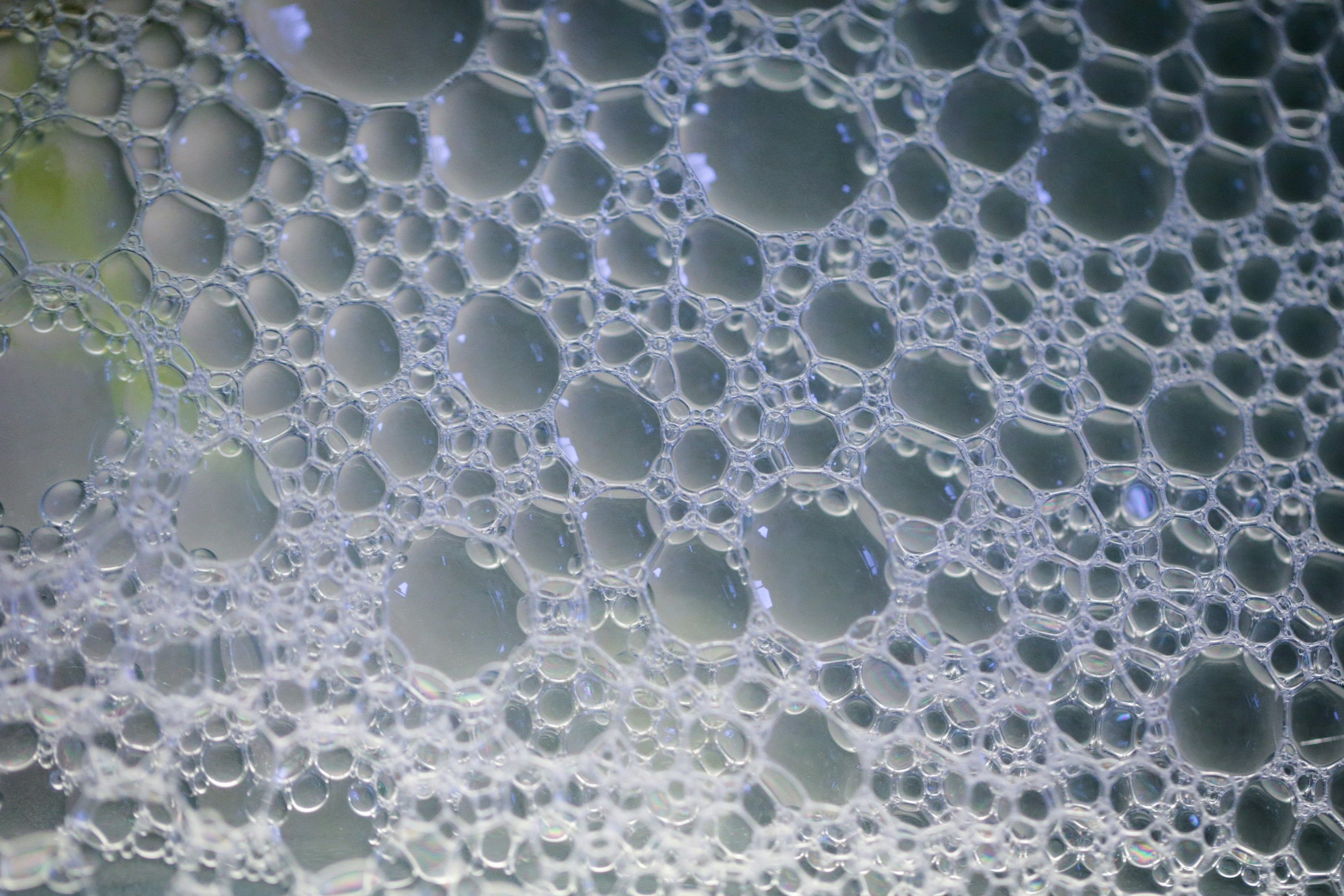
Foam turns out to be quietly learning
Researchers at the University of Pennsylvania found that foam is constantly reorganizing inside, and the math behind that motion looks a lot like the math used to train modern AI systems.
Read Full Story
Circle Foundation backs a UN push for faster more transparent aid payments
A new grant announced in Davos will help the UN modernize how money moves across humanitarian programs, aiming to cut delays, lower costs, and make it easier to track every dollar from donor to recipient.
Read Full Story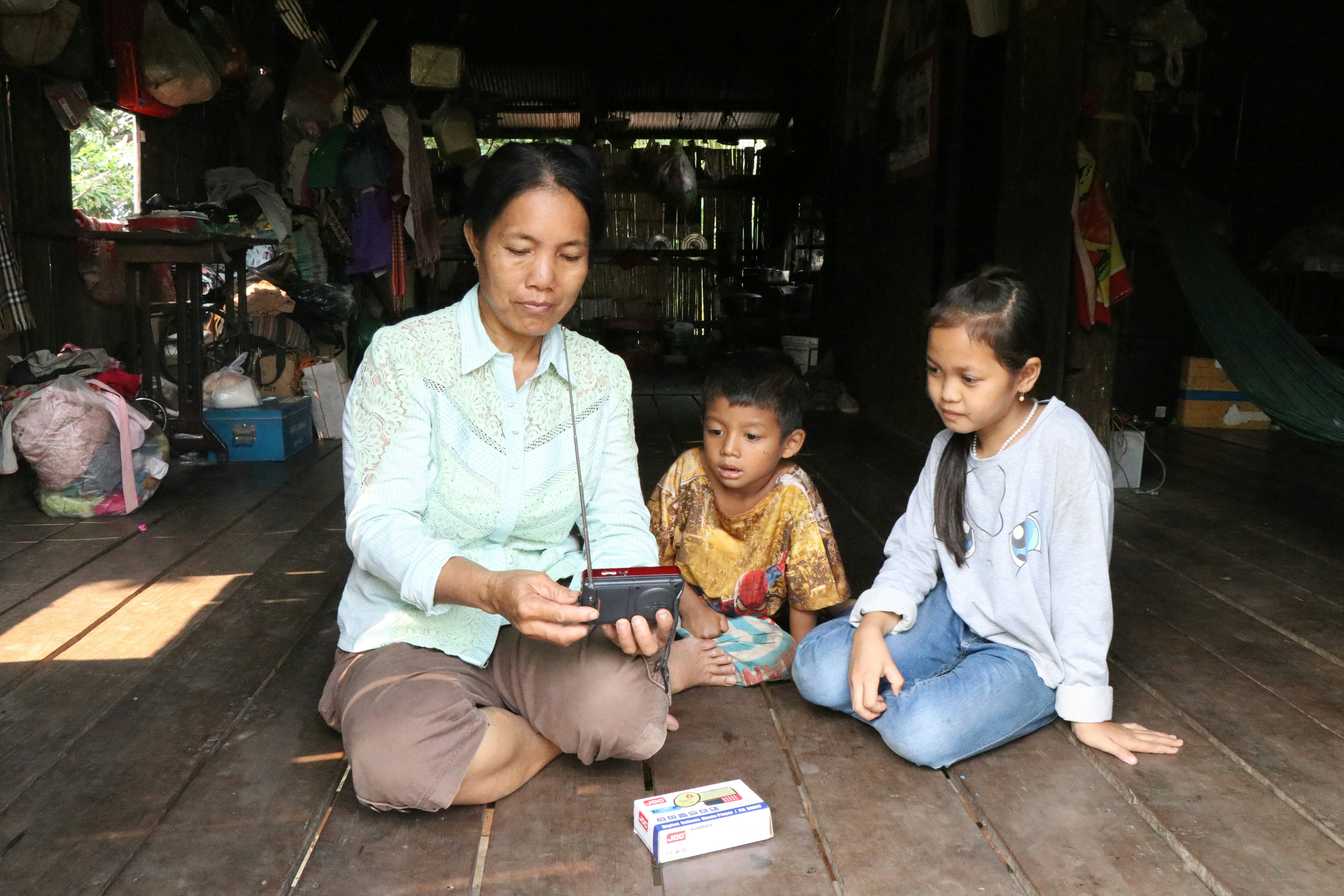
WHO and Novartis extend free leprosy treatment partnership through 2030
A long-running public health partnership just got five more years, keeping lifesaving leprosy treatment free for patients worldwide while adding more support for prevention.
Read Full Story
NASA rolls Artemis II moon rocket to the pad and a long wait turns into a real step forward
On January 17, 2026, NASA inched the Artemis II rocket from its hangar to the launch pad in Florida, a public sign that the first crewed lunar fly-around in more than 50 years is moving from plans to hardware.
Read Full StoryPositive Vibes Only
Join thousands of others getting their daily dose of hope.